Plumbing problems can lead to costly repairs and significant inconvenience. Many homeowners are unaware that certain everyday items can wreak havoc on their plumbing systems. Understanding what common household items contribute to plumbing issues is essential for maintaining a healthy drainage system and avoiding expensive service calls.
The Hidden Dangers of Household Products
Many household products, while seemingly benign, can create serious plumbing problems when not used correctly. For instance, grease and fat often find their way into kitchen sinks during cooking or cleaning. When hot, these substances may flow easily down the drain, but as they cool, they solidify and cling to pipe walls. Over time, this buildup can restrict water flow and lead to clogged drains.
Another common issue arises from the misuse of chemical drain cleaners. While these products promise quick fixes for clogs, they can be more harmful than helpful. Strong chemicals can corrode pipes, particularly older metal ones, leading to leaks or even complete pipe failure. It’s crucial to consider safer alternatives for drain cleaning before reaching for a bottle of harsh chemicals.
Hair: A Silent Culprit
In bathrooms, hair is one of the most frequent offenders when it comes to clogged drains. It often accumulates in shower drains and sink traps, forming tangled masses that trap soap scum and other debris. Even small amounts of hair can lead to significant blockages over time. Regular maintenance is key; using a drain cover can help catch hair before it enters the plumbing system.
To address existing clogs caused by hair without resorting to chemical solutions, consider using a simple mixture of baking soda and vinegar. This natural approach can help break down build-up and keep your drains flowing freely.
Wipes and Paper Products: Not Always Flushable
Despite what some packaging states, many so-called flushable wipes do not break down in the same manner as toilet paper. These products can accumulate in sewer lines, leading to blockages that require professional sewer line cleaning services. In fact, municipalities have reported significant increases in plumbing issues due to the improper disposal of these items.
The best practice is straightforward: only human waste and toilet paper should be flushed down the toilet. By educating family members about proper disposal methods, you can prevent costly blocked sewer line repairs down the road.
The Perils of Food Scraps
Food scraps are another common source of plumbing issues in kitchens. While many people believe that running food waste down the garbage disposal solves the problem entirely, this isn’t always true. Certain foods—like fibrous vegetables (celery or asparagus), starchy items (potatoes), or oily substances—can cause problematic clogs when sent through a disposal system.
To mitigate this risk, consider composting food scraps or disposing of them in the trash instead of relying solely on your disposal unit. This simple change will reduce strain on your plumbing system and help maintain its integrity.
Non-Disposal-Friendly Items
Some household items should never enter your kitchen sink or toilet under any circumstances:
Coffee Grounds: These can clump together with grease and create stubborn blockages. Eggshells: While they may seem innocuous, their sharp edges can damage your disposal. Fibrous Vegetables: As mentioned earlier, these tend to tangle up in pipes. Cotton Balls and Swabs: Easily caught in traps or pipes. Medication: Flushing pills can harm local wildlife; proper disposal methods should be followed instead.By being mindful of what goes down your drains, you take significant steps toward preventing future plumbing disasters.
Seasonal Awareness
During certain times of year—especially fall when leaves start dropping—plumbing issues may become more pronounced due to external factors like tree roots invading sewer lines or debris clogging outdoor drainage systems. Homeowners should conduct regular inspections around their property’s drainage areas during seasonal changes.
Additionally, scheduling routine professional drain cleaning services ensures that any potential build-ups are addressed proactively rather than reactively after problems arise.
Emergency Drain Cleaning Services
Occasionally despite best efforts at prevention techniques and regular maintenance checks; emergencies still happen—think sudden backups or flooding due to clogged drains that require immediate attention from professionals specializing in emergency drain cleaning services.
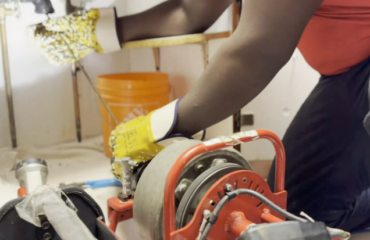
These experts utilize advanced techniques such as hydro jetting or video camera inspections which allow them not only clear blockages effectively but also identify underlying issues within your plumbing system without invasive measures causing further damage.
It’s wise for homeowners to familiarize themselves with local emergency services so that help is just a phone call away when trouble strikes unexpectedly.
The Importance of Professional Help
While DIY solutions are valuable for minor household issues involving clogs or slow drains; complex problems necessitate expertise from trained professionals who understand intricate systems at play within residential properties especially concerning sewer line cleaning practices where sewer cleaning specialized gear might be needed beyond typical homeowner capabilities.
Professional drain cleaning ensures thorough treatment against accumulated grime while safeguarding against potential future disasters arising from neglecting smaller concerns sewer line cleaning benefits today—an investment well worth considering when weighing long-term home maintenance strategies against short-term savings on repair costs incurred later on down the line due diligence pays off tremendously overall!
Long-Term Maintenance Tips
Preventative measures prove paramount when it comes keeping your home’s plumbing running smoothly over time without unexpected interruptions disrupting daily life routines negatively affecting productivity levels across households everywhere! Simple habits make all difference:
- Regular Inspections: Check exposed pipes under sinks periodically looking out for leaks early stages helps catch issues before they escalate into larger problems needing expensive intervention later on. Flush Your System: Every few months run hot water through each sink/shower/bathtub allowing fatty residues build up break apart clearing pathways efficiently ensuring free flow throughout entire network preventing stagnation leading ultimately back towards clogs we want avoid! Educate Family Members: Teach everyone living there about proper waste disposal practices reducing chances mishaps occur regarding flushing inappropriate materials down toilets leading directly toward undesirable consequences outlined above!
Caring for our homes’ plumbing systems means understanding how even seemingly harmless actions could impact overall performance negatively causing headaches beyond mere inconvenience making informed choices essential part responsible homeowner lifestyle managing risks effectively minimizing damage done before it happens proactively rather than reactively handling aftermath accordingly afterward wasting valuable resources unnecessarily!
By staying vigilant regarding which household items enter our drainage systems while incorporating smart habits into everyday routines combined with professional assistance whenever needed—we empower ourselves towards maintaining optimal conditions throughout year round safeguarding investments made along way enjoying peace mind knowing we’ve done everything possible protect homes against unwanted surprises lurking beneath surface waiting strike unexpectedly!